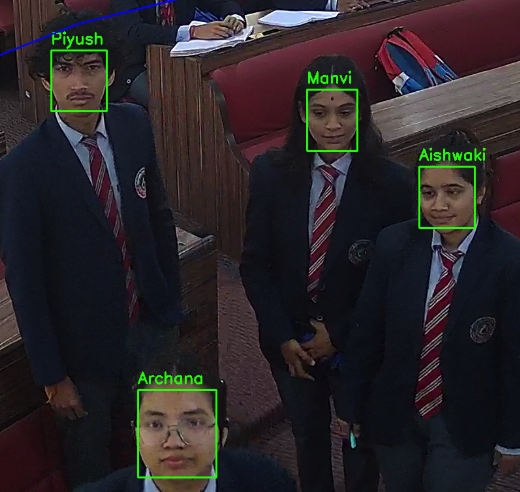
I build with a strong focus on privacy
(offline/local models), inclusivity
(Hindi-English bilingualism), and
edge-efficiency (optimized pipelines with low
latency). My stack includes tools like
FastAPI,
LLaMA via Ollama,
YOLOv8,
DeepFace,
FAISS, ChromaDB,
AWS (EC2, S3), and Docker.
Over the last few years, I’ve worked across diverse AI domains — from face recognition and
posture correction to building multilingual AI assistants and personalized recommendation
engines. Many of my projects originate from everyday problems I encounter as a student or
developer — whether it's automating classroom attendance, understanding human behavior
through Reddit activity, or making offline AI tools accessible in Hindi and English.
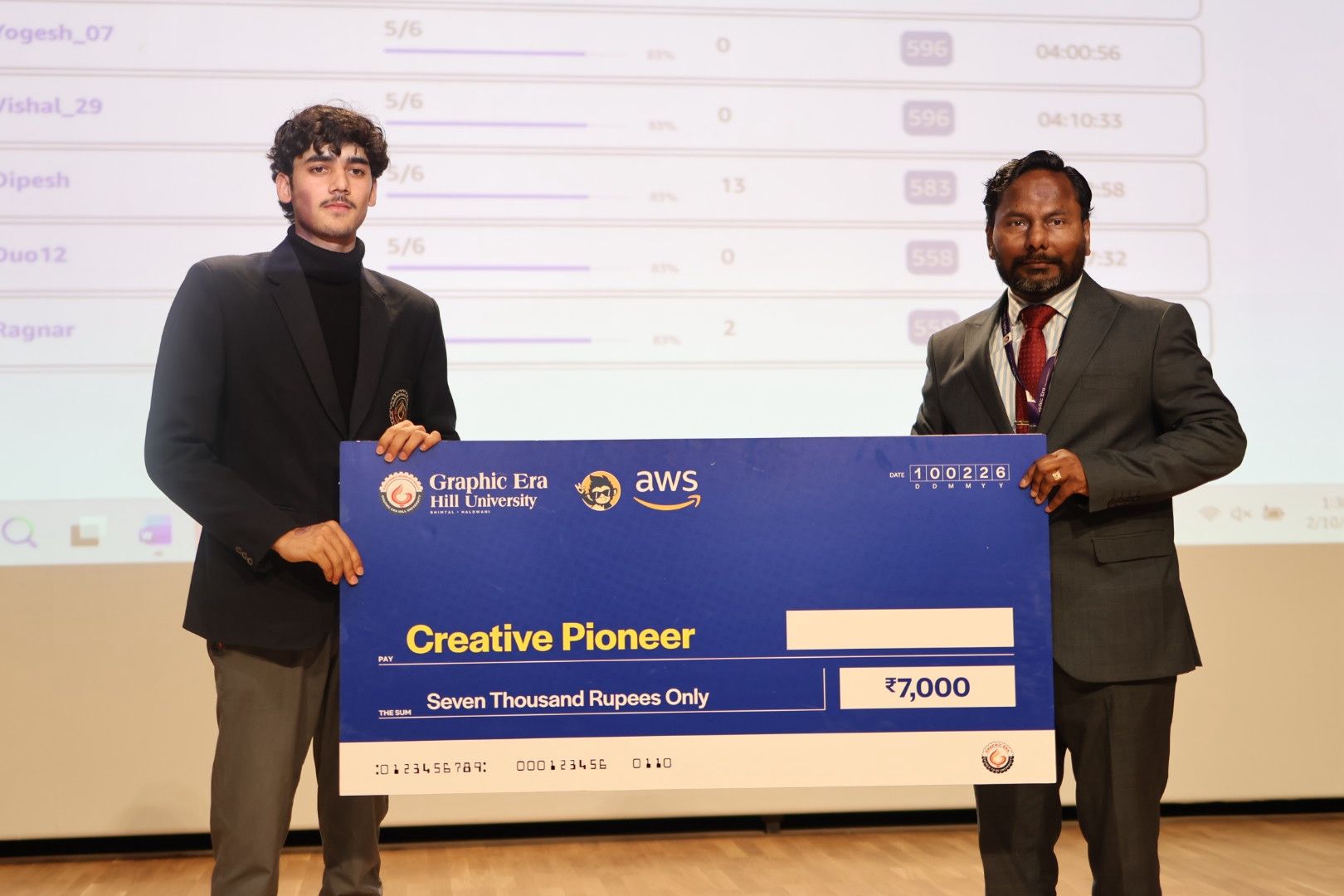
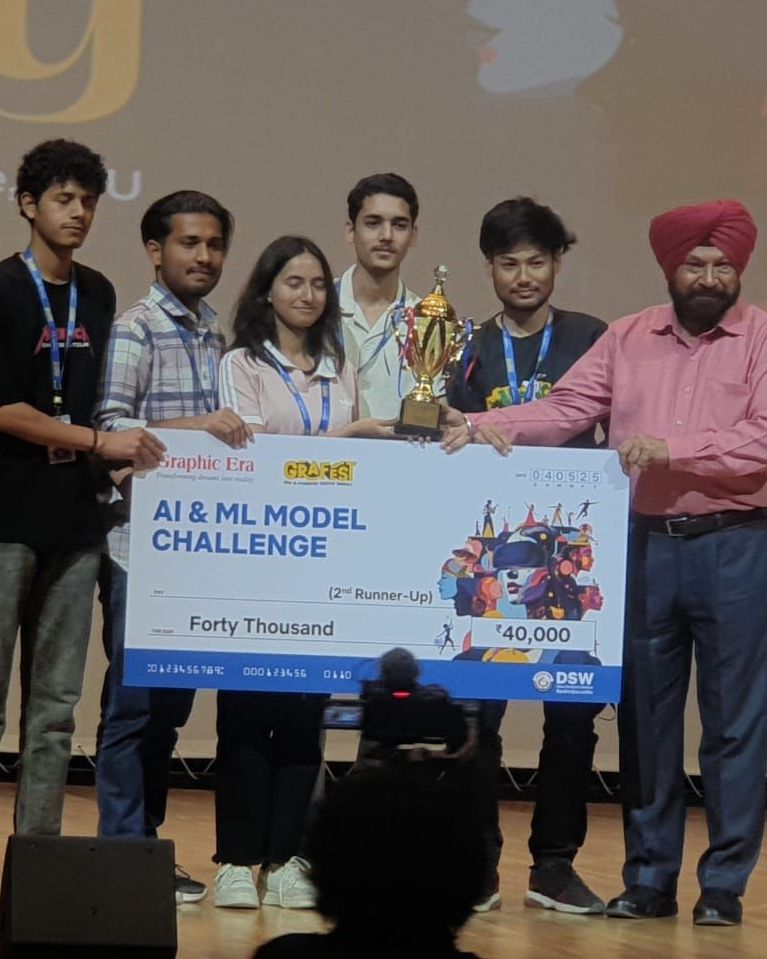
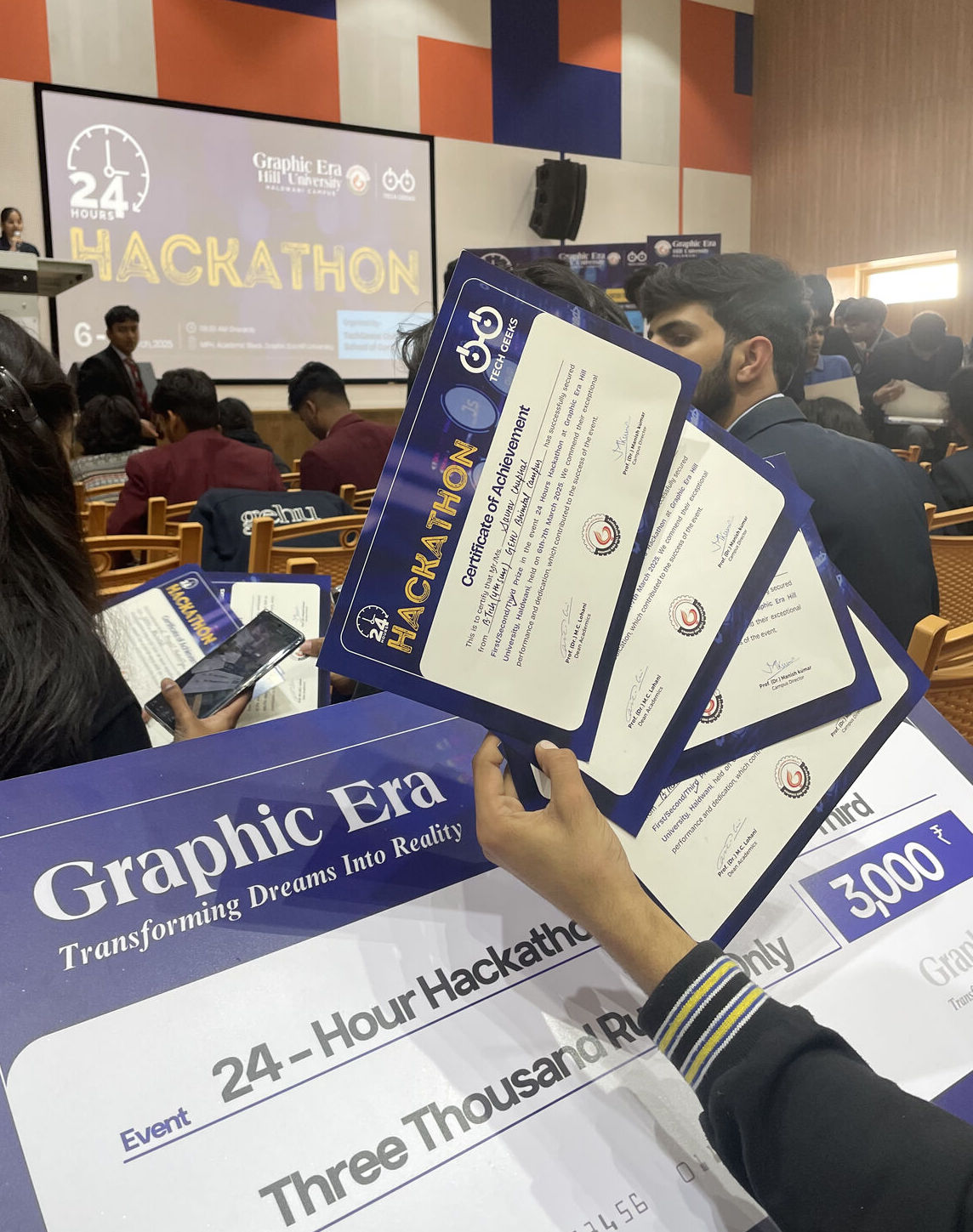
While most of my work is open-source and individually developed, I’ve also collaborated in
hackathons and team projects, often winning or placing at national-level events. I value
hands-on, end-to-end execution — from data pipelines and model training to deployment and
optimization. Some systems, like DeepTrack and Zeni,
required integrating multiple complex modules, including LLMs, YOLO-based object
detection, TensorFlow models, and speech recognition—all working together in a
high-performance setting.
I approach AI from a builder's mindset, but I’m also drawn to the ethics, generalization,
and long-term impacts of deploying such systems at scale. A recurring question in my mind
is: Can we make AI systems that are both useful and contextually aware, without
requiring massive cloud infrastructure or exposing private data?
Some of my other public projects include:
- YogAI: Posture correction for yoga sessions using webcam-based pose
classification.
- RedditUserPersona: Behavioral analysis and persona generation using
local LLMs + Reddit scraping.
- BonelossDetector: A dental AI model for identifying alveolar bone loss
in X-rays using YOLOv8.
- NextBest: Dual-mode recommendation engine (movies + anime) powered by
content-based filtering.
- FaultXpert: Micro-fault detection system for physical systems with
real-time alerts.
My work continues to evolve, and I’m currently experimenting with lightweight RAG-based
tools, emotion-aware models, and agents that can reason with voice, text, and image inputs —
all while remaining fully offline or edge-deployable.